- Process
- Neutral Hardening
- Equipment type
- Salt bath furnaces
- Systems
- 5
Plan your equipment
Neutral hardening can run in a salt bath furnace, a heated salt pot or an automated line. Send the material, part dimensions, load and required cycle, and we’ll talk through which fits.
Salt bath furnaces
-
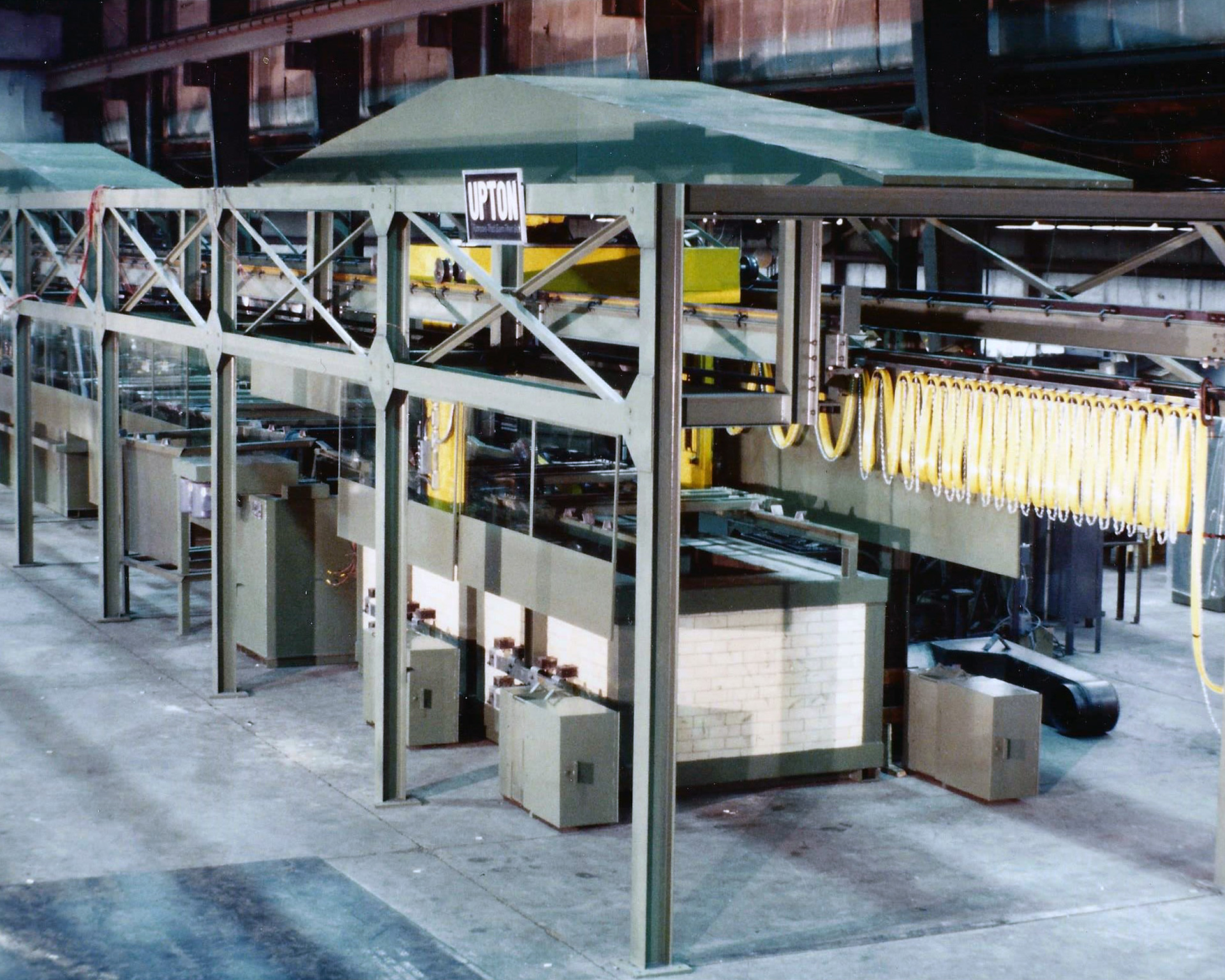
Automated Salt Bath Systems
Upton configures automated salt bath systems with PLC controls and material handling for multiple processes.
-

Ceramic Salt Bath Furnaces
Only the faces of Upton’s submerged electrodes touch the salt, so the electrodes take up none of the bath space.
-
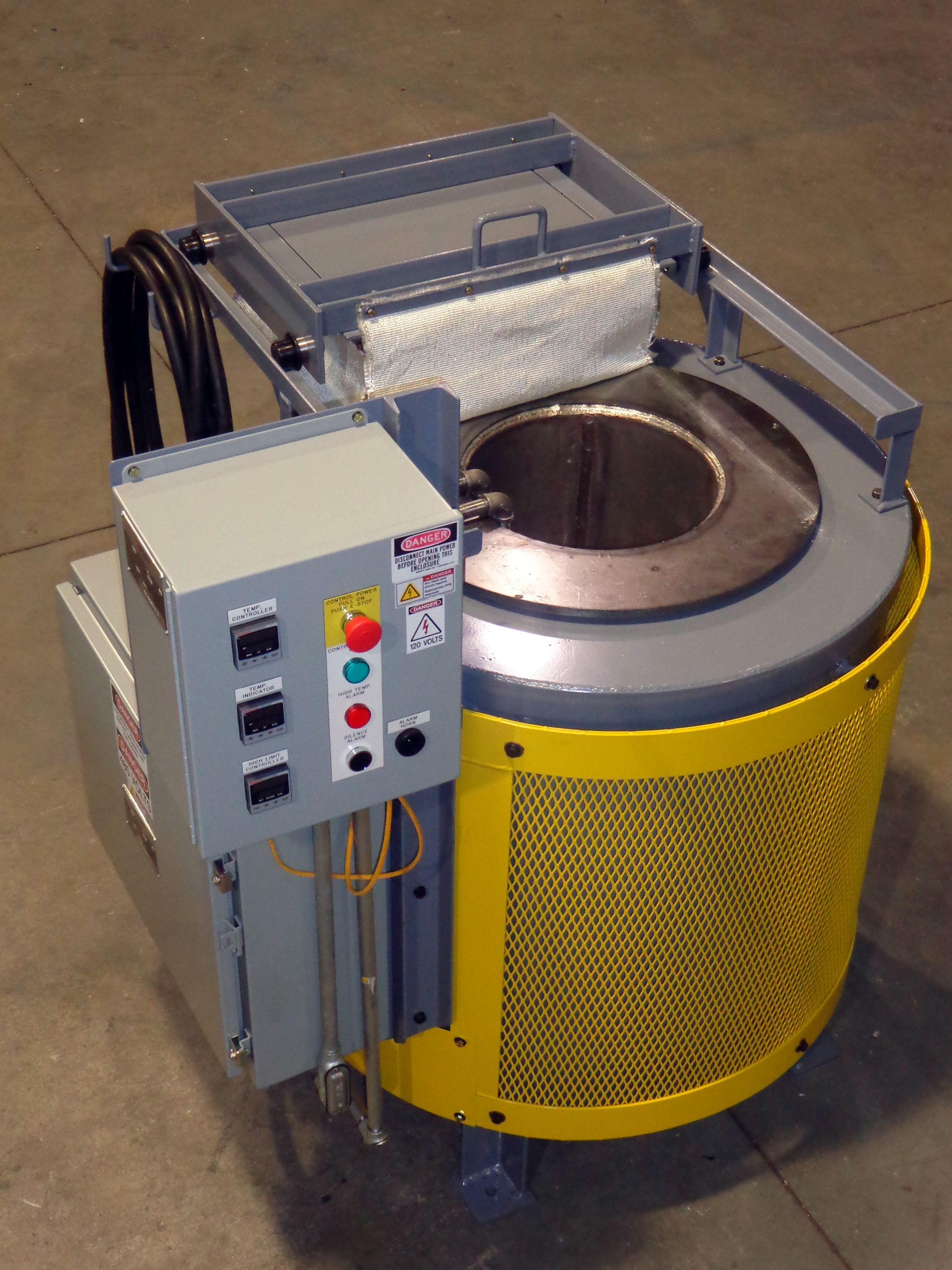
Externally Heated Salt Pot Furnaces
Externally heated salt pot furnaces with carbon-steel or stainless-steel liners, electric resistance heaters or Upton Hurricane gas burners, for intermittent service.
-
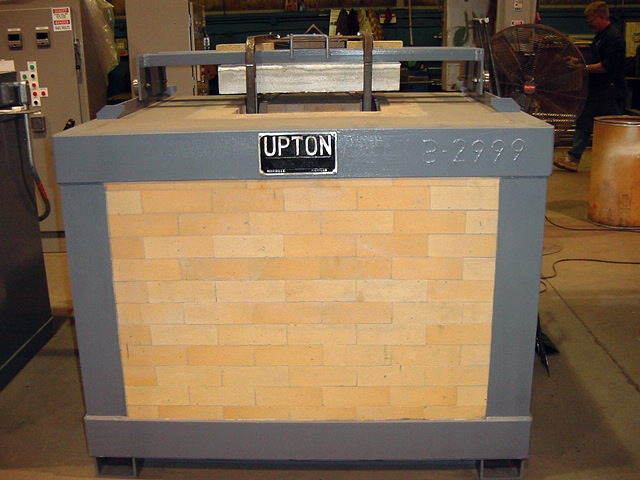
High Speed Salt Bath Furnaces
For high-speed and tool steel heat treating. A film of salt on each part slows cooling on the way to the quench.
-
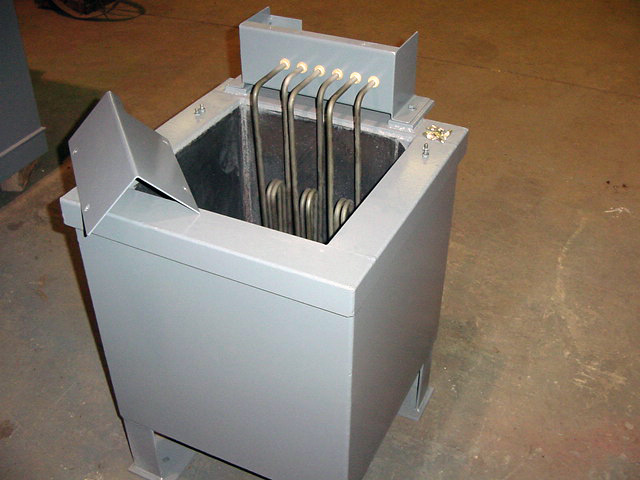
Internally Heated Salt Bath Furnaces
Internally heated salt bath furnaces for non-chloride salts, with carbon-steel or stainless-steel liners.
Externally or internally heated
Both are steel-lined salt bath furnaces. They differ in where the heat enters the salt: through the wall of a pot, or directly in the bath.
| Externally Heated Salt Pot Furnaces | Internally Heated Salt Bath Furnaces | |
|---|---|---|
| Heat enters | From outside the pot, through its wall | In the salt, from heat sources immersed in the bath |
| Electric | Electric resistance heaters | Immersion heaters for lower-temperature work; air- or water-cooled electrodes with transformers at elevated temperatures |
| Gas | Upton Hurricane tangential burners, designed to minimize flame impingement on the salt pot | Radiant tubes |
| Suited to | Intermittent service | Non-chloride salt applications |
| Liner | Carbon steel or stainless steel, selected for the operating conditions | |
| Drawings (PDF) | ||
To quote either furnace, send us:
- Part sizes
- Load weight
- Process temperature
- The salt you plan to run